ISO 9001, SMETA and BSCI: What Buyers Should Check in a Factory Audit Package
A practical supplier-approval guide for brands, wholesalers and sourcing teams reviewing quality management and social-audit evidence.
The short answer: ISO 9001, Sedex SMETA and amfori BSCI answer different supplier-approval questions. ISO 9001 concerns a quality management system. SMETA is an ethical-trade audit methodology and report. amfori BSCI is a social audit and monitoring process. A buyer should review the exact legal entity, factory site, scope, dates, audit body and follow-up status rather than treating the three documents as interchangeable badges.
This guide is for brands, wholesalers, sourcing teams and importers evaluating a custom polishing cloth, microfiber lens cloth or jewelry packaging supplier. It explains what the documents can support, what they do not prove, and which evidence should still be requested for the actual product.

BUYER COMPARISON
Three documents, three different purposes
QUALITY MANAGEMENT
ISO 9001 certificate
- What it addresses
- The organization's quality management system and the scope stated on the certificate.
- Verify
- Legal entity, site, standard edition, scope, certification body, certificate status and dates.
- Do not assume
- It is not a blanket product certificate for every cloth, package, material or performance claim.
ETHICAL TRADE
Sedex SMETA report
- What it addresses
- An ethical-trade audit performed using the SMETA methodology. A 4-Pillar audit includes labour standards, health and safety, environment and business ethics.
- Verify
- Audited site, audit date, audit company, 2- or 4-Pillar scope, findings and corrective-action follow-up.
- Do not assume
- Sedex does not mean the supplier or product is "Sedex certified."
SOCIAL COMPLIANCE
amfori BSCI monitoring report
- What it addresses
- A site-specific social audit monitoring activity within the amfori BSCI system.
- Verify
- Producer and site, monitoring date, audit company, result visibility, validity and required follow-up through the authorized platform or buyer process.
- Do not assume
- "BSCI certified" is not the accurate description of a monitoring report.
1. Start with the legal entity and factory site
The first check is identity. The company name on the certificate or audit report should match the supplier's quotation, contract and payment information, or the supplier should explain the relationship clearly. The audited address should correspond to the production site being proposed for the order. A document belonging to a trading company, sister company or unrelated subcontractor does not automatically cover the factory that will make the goods.
Qula's public Factory Audits & Quality Management page lists the company name and the exact report titles available for qualified-buyer review. Full reports are not posted publicly because audit files can contain controlled or confidential information. Buyers can request document review as part of supplier qualification.
2. Read an ISO 9001 certificate as a management-system document
ISO 9001 defines requirements for establishing, maintaining and improving a quality management system. For sourcing, the most useful fields are the certified organization, site, scope, certification body, standard edition, issue date, expiry date and certificate status. The scope matters: it tells the buyer which activities the certificate is intended to cover.
ISO published ISO 9001:2026 on September 16, 2026, replacing the 2015 edition. Existing ISO 9001:2015 certificate holders have a transition period and should coordinate timing with their certification body. Therefore, a buyer reviewing a 2015 certificate after the new edition's release should verify its current status and transition plan rather than assuming that the printed edition alone answers the question.
3. Use SMETA to examine ethical-trade conditions and follow-up
SMETA is Sedex's audit methodology. It is available as a 2-Pillar or 4-Pillar audit. The 4-Pillar format adds environmental assessment and business ethics to the labour standards and health-and-safety pillars. Buyers should confirm which format was performed, when and where the audit took place, who conducted it, what findings were recorded, and whether corrective actions were closed or remain open.
A SMETA report is not a product test and is not a "Sedex certificate." Membership, an audit report and the resolution of findings are separate facts. Supplier approval should follow the buyer's own risk policy, customer requirements and access permissions within Sedex.
4. Treat amfori BSCI as monitoring evidence, not a product badge
An amfori BSCI social audit is also site- and time-specific. It can support a buyer's review of working conditions and social-management performance, but the report must be read in context. Confirm the producer, site, audit type, monitoring date, auditor, result, validity and follow-up requirements through the process available to the buyer.
SMETA and amfori BSCI can overlap in subject matter, but they are not the same system and one does not automatically replace the other. A retailer or brand may specify which platform, audit type or review process it accepts. Confirm that requirement before ordering a new audit or assuming an existing report will be sufficient.
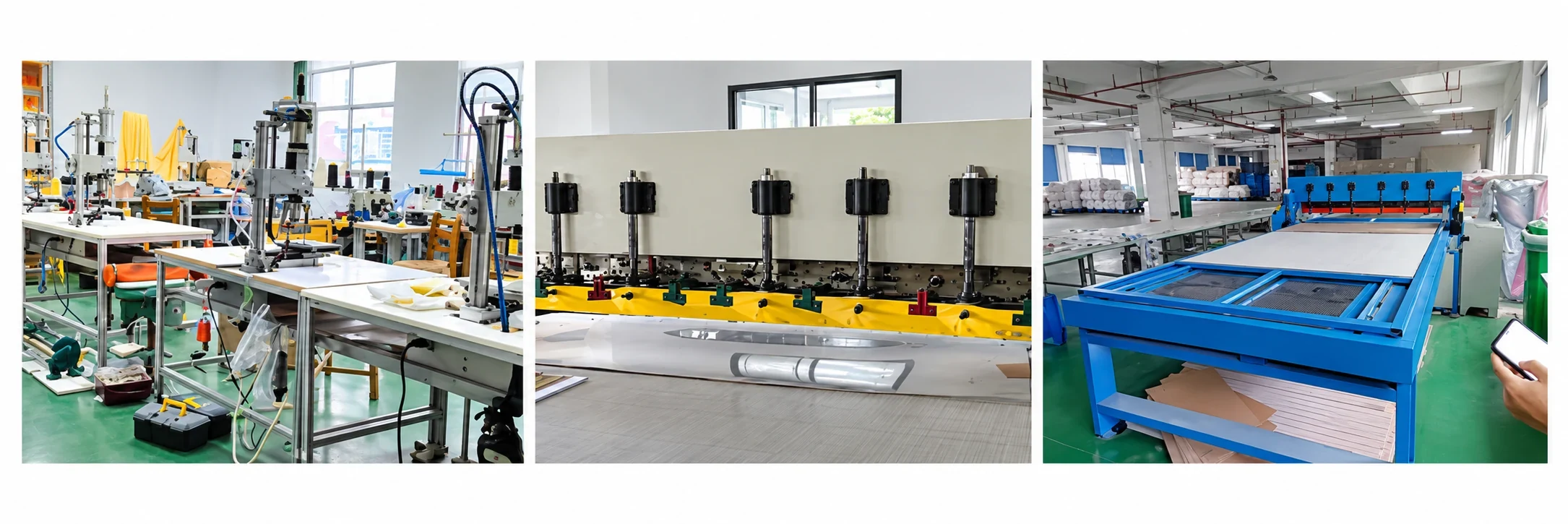
5. Factory audits do not replace product testing
None of these three documents, by itself, proves that a polishing cloth removes tarnish as claimed, that a microfiber lens cloth is compatible with every coating, or that packaging meets every destination-market requirement. Product evidence should be selected for the actual material, intended use, customer claims and sales market.
For a custom polishing or lens-cloth program, the buyer may need an approved specification, representative samples, material declarations, performance checks, color and logo approval, packaging review, pre-shipment inspection, and market-specific testing where applicable. A factory audit can strengthen supplier qualification; it cannot convert an undefined product into a verified one.
6. Buyer verification checklist
- Match the identity: compare the legal company name with the quotation, contract and payment beneficiary.
- Match the site: confirm the document covers the physical factory proposed for production.
- Read the exact title: distinguish a certificate, audit report, monitoring report, membership and self-assessment.
- Check scope: review the ISO activity scope and the SMETA 2- or 4-Pillar format.
- Check dates and status: review issue, audit, expiry and follow-up dates using an authorized verification route.
- Review the audit body: identify the certification or audit company and confirm the buyer accepts it.
- Review findings and actions: do not rely only on a cover page or score; evaluate open issues and corrective-action evidence.
- Protect controlled documents: agree how reports may be viewed, stored and shared.
- Add product evidence: define samples, tests, inspections and acceptance criteria for the actual order.
Qula Craft's factory audit package
Qula Craft's available supplier-qualification package is listed under the legal company name YIWU QULA CRAFT CO., LTD. and includes these document titles:
- ISO 9001:2015 Quality Management System Certificate
- Sedex SMETA Version 7 4-Pillar Audit Report
- amfori BSCI Social Audit Monitoring Report
See the controlled public summary on the Certifications page. Qualified brands, wholesalers and sourcing teams can request a quotation and document review with the product, estimated quantity, target market and supplier-approval requirements.
Frequently asked questions
Is Qula Craft "Sedex certified" or "BSCI certified"?
Those phrases are not the accurate way to describe the documents. Qula lists a Sedex SMETA Version 7 4-Pillar Audit Report and an amfori BSCI Social Audit Monitoring Report under the legal company name shown on the Certifications page.
Does ISO 9001 certify every Qula product?
No. ISO 9001 is a quality management system standard. Buyers should review the certificate's named organization, site, scope, edition and status, then assess the specifications and evidence for the actual product separately.
Can a qualified buyer review the reports?
Yes. Send the company name, target product, quantity, market and supplier-approval requirements through the quotation form. Access to controlled documents can then be handled through the appropriate review process.
Do factory audits replace material or product tests?
No. Factory audits and management-system certificates evaluate organizational or social-compliance matters. Product compatibility, performance, composition, labeling and destination-market requirements need order-specific evidence.
How should buyers handle an ISO 9001:2015 certificate after the 2026 revision?
ISO states that ISO 9001:2026 replaced the 2015 edition and that existing certificate holders have a transition period. Buyers should verify the certificate's current status and transition timing with the responsible certification body.
Official reference sources
This guide uses the terminology published by ISO for ISO 9001:2026, ISO's transition guidance, Sedex's SMETA 7.0 overview and amfori's audit-support guidance. Buyer requirements and report access rules should always be confirmed with the relevant organization or customer program.