Custom Logo Polishing Cloth Manufacturer: MOQ, Printing, Packaging and QC
A production-ready sourcing guide for brands and wholesalers comparing custom microfiber polishing cloth MOQ, logo, packaging, lead time and quality checks.
The short answer: a useful custom-logo polishing cloth quotation must define the cloth, finished dimensions, weight, edge, logo method, packaging, quantity per color and delivery destination. For Qula Craft custom production, the starting MOQ is 1,000 pieces per color, a digital artwork proof is confirmed before production, and the typical bulk-production window is 7–15 days after the order details are approved.
This guide is for jewelry brands, care-product wholesalers, optical distributors and private-label buyers comparing an OEM/ODM polishing cloth manufacturer. It turns a general request such as “microfiber jewelry polishing cloth with logo” into a brief that can be sampled, quoted and inspected without relying on assumptions.
Factory quotation summary
- Material
- Microfiber; confirm treatment and intended surface for each project
- Size and weight
- Custom dimensions and custom weight
- Edge options
- Zigzag/pinked or straight edge
- Logo options
- Black, white, color, embossed, gold or silver appearance, subject to artwork review
- Custom MOQ
- 1,000 pieces per color
- Approval
- Digital artwork proof before bulk production
- Bulk lead time
- Typically 7–15 days after approval; confirmed per order
- Packaging
- Bulk packs, individual sleeves, paper cards or buyer-specified formats
1. Define the cloth before choosing the logo
Start with the intended use, not the artwork. Tell the manufacturer whether the cloth is for silver jewelry, another confirmed metal or finish, eyewear, screens, presentation or a separately defined wiping task. A microfiber cloth can be made in different constructions and may be treated or untreated. The word “microfiber” does not prove compatibility with every plating, gemstone, lens coating or delicate surface.
Specify the open dimensions, color, target weight or feel, and edge finish. Qula can review custom dimensions and weight, with either a zigzag/pinked or straight edge. If the cloth must fit an envelope, jewelry box, eyeglass case or paper card, include the internal package dimensions and folded presentation in the brief. The finished pack should be approved as a system, not as two unrelated components.
2. Match the logo process to the artwork and cloth
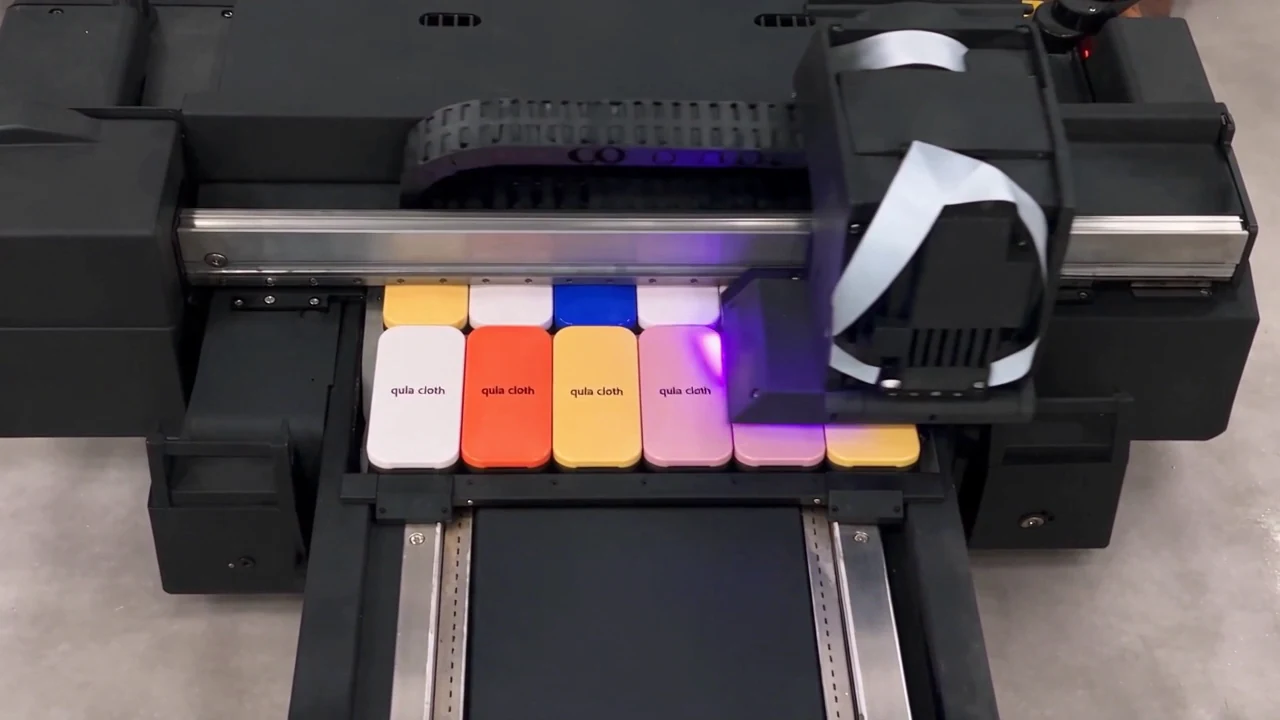
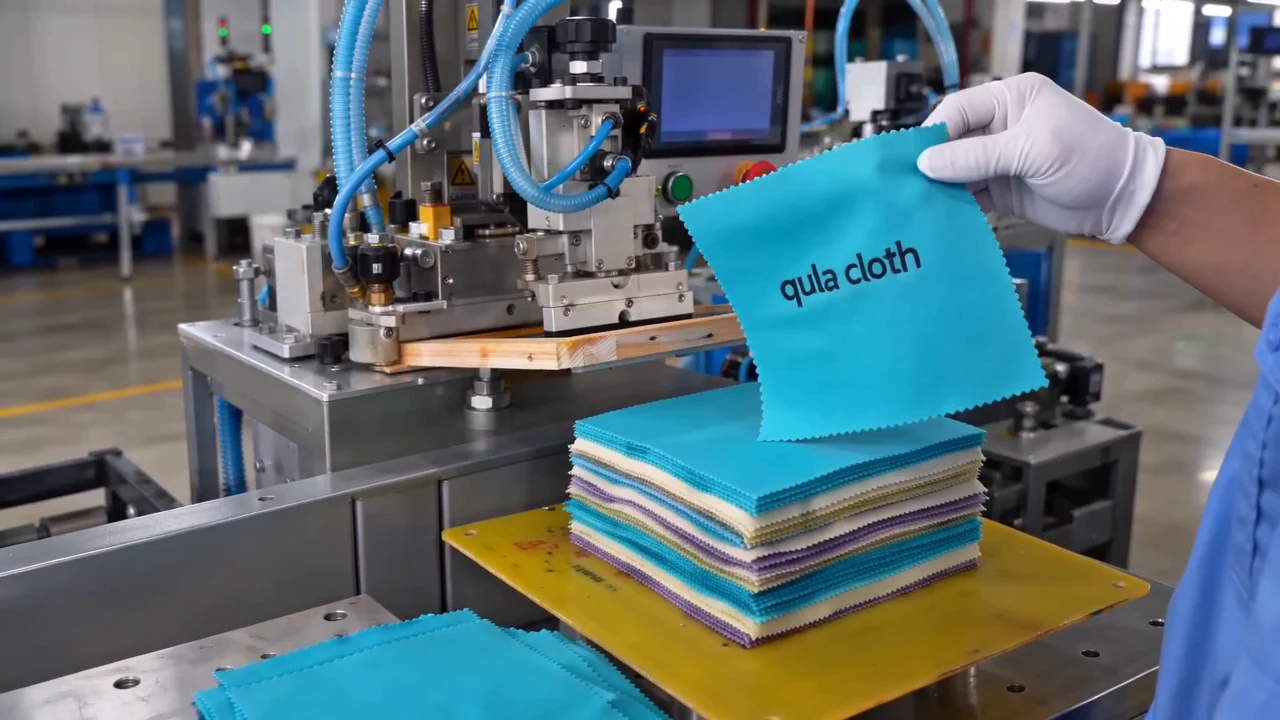
Qula can review black, white and color logo printing, embossed or pressed branding, and gold- or silver-appearance logo options. Feasibility depends on the selected cloth, cloth color, artwork detail, finished logo size and order quantity. Fine lines, small lettering, gradients and tight spacing may need adjustment before production.
Send an owned or licensed vector file where possible. The digital proof should show the finished logo dimensions and placement, not only a large screen preview. Approve spelling, orientation, color intent and safe distance from the cut edge. A digital proof confirms layout; a physical sample may still be needed when color, texture, impression depth or package fit is commercially important.
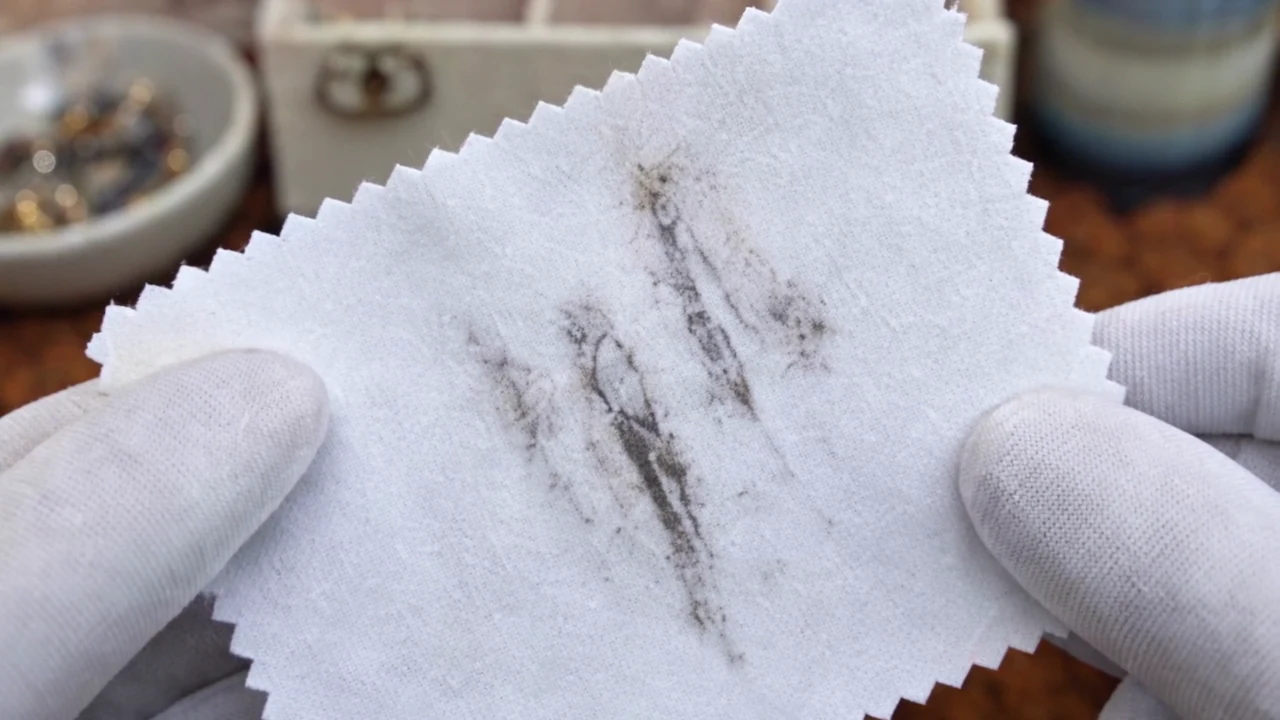
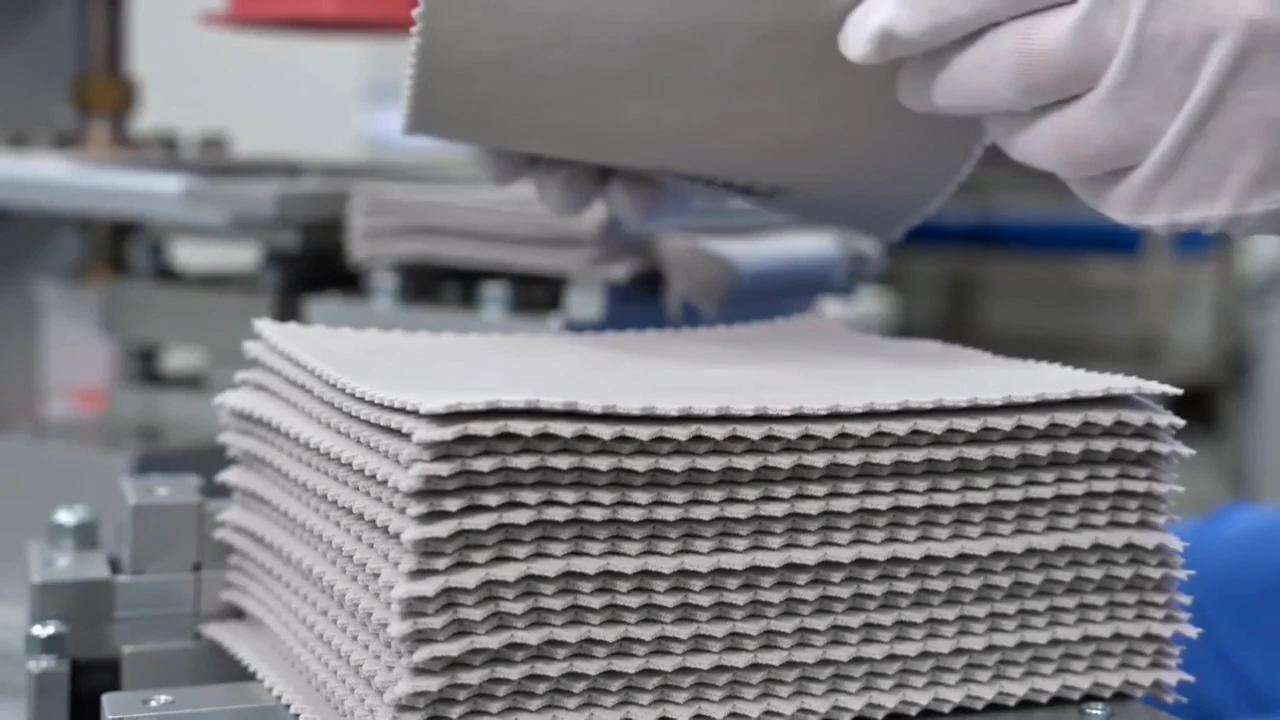
RECORDED PRODUCTION FRAMES
Logo production and cloth handling
Frames extracted from Qula production-process videos supplied for this project.
3. Confirm MOQ, proof and production timing
The starting custom MOQ is 1,000 pieces per color. Treat that as a planning reference, then confirm the actual minimum for every combination of cloth color, logo version and packaging language. An order of 4,000 pieces split among four colors may be planned differently from one 4,000-piece single-color SKU.
The sample process begins with a digital artwork proof for confirmation. If a physical pre-production sample is required, state what it must prove: material, dimensions, logo appearance, edge, package fit or intended-use performance. Bulk production normally takes 7–15 days after the specification, proof and commercial details are approved. Shipping time, customs clearance and local delivery are separate from factory production.
4. Build a quality-control checklist buyers can verify
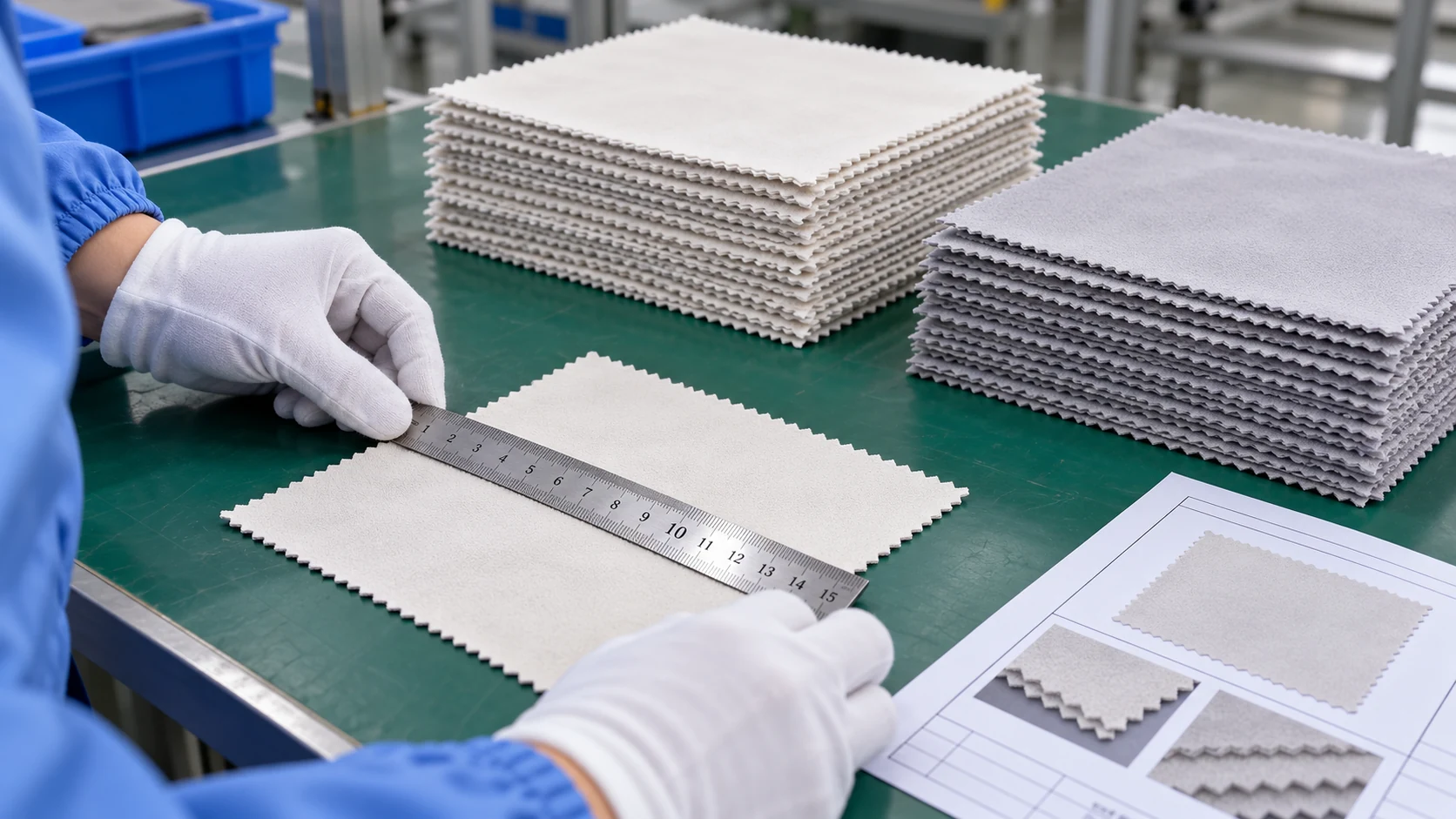
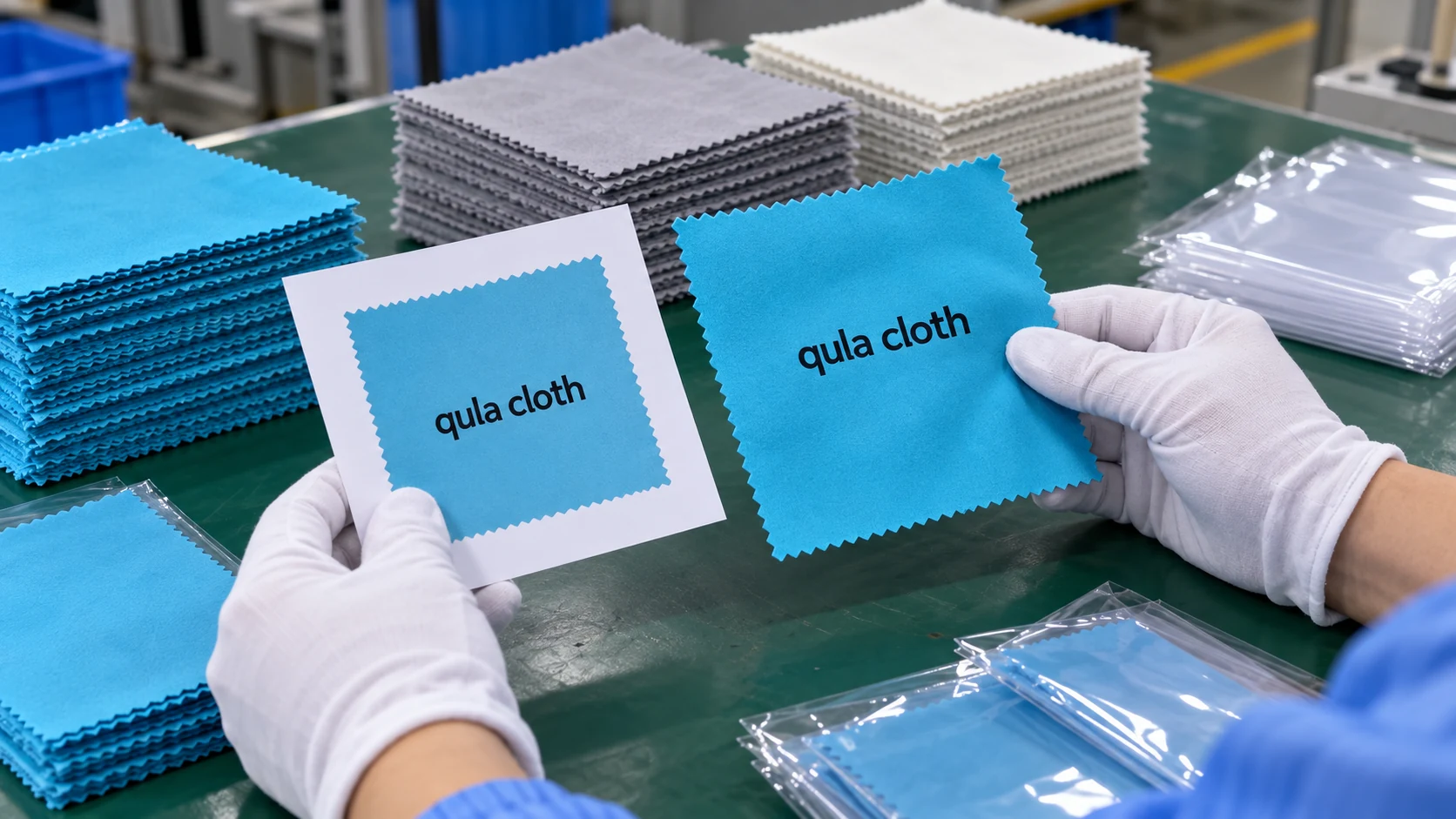
Before shipment, the order is checked against the confirmed requirements and reviewed with the buyer. A useful inspection list includes dimensions, weight or agreed material reference, edge appearance, cloth color, logo size and position, visible print or embossing defects, package artwork, packing quantity and carton marks. The intended surface and use must be confirmed with Qula because one cloth or treatment is not automatically suitable for every material.
The two images below are QC process illustrations created from the supplied product and production references. They show the checks a buyer can put into the specification; they are not photographs of a named customer order and do not represent a laboratory test or certification.
For product-performance checks, agree the representative surface, preparation, number of passes, evaluation method and acceptance criteria before sampling. “Works on jewelry” is too broad. The buyer should identify metals, plating, finishes, stones, coatings and exclusions, then confirm market-facing claims with qualified advisers where required.
5. Choose packaging around the sales channel
Polishing cloths can be supplied in bulk packs of 500 or 1,000 pieces, individually packed, mounted on paper cards or packed to an approved buyer requirement. Bulk packing can suit assembly into care kits. Individual sleeves can protect the cloth before retail use. Paper cards can carry the brand, barcode and buyer-approved instructions.
For Europe or South America, list the quantity by language version and provide approved translations. For the United States, Canada and Australia, include any retailer label, barcode, carton-mark or routing requirement in the RFQ. Packaging claims and legal text remain the brand owner's responsibility unless a separate compliance service is agreed.
6. Request shipping on comparable terms
Qula selects an appropriate export transport option according to the order and buyer requirements. To receive a useful comparison, send the destination city, postal code and country, target arrival date, delivery term if known, and whether the quotation should include samples, packaging and freight. A factory lead time of 7–15 days does not include every artwork revision, approval delay, transit or customs event.
RFQ checklist for a custom polishing cloth
- Company, destination country and postal code.
- Intended use, target surface and any surfaces that must be excluded.
- Cloth dimensions, color, weight and treated or untreated requirement.
- Zigzag/pinked or straight edge.
- Logo file, method, color, finished size and position.
- Quantity per cloth color, artwork and packaging version.
- Bulk, individual sleeve, paper card or custom package.
- Required sample checks, target arrival date and shipping destination.
Sending these details together lets a supplier quote the same product you intend to buy. It also creates a reference for proof approval, production, inspection and repeat orders.
Buyer questions
What is the MOQ for a custom logo polishing cloth?
Qula's starting MOQ is 1,000 pieces per color. Confirm the quantity for each cloth color, logo version and package because the total order may not be freely divided among every variant.
Can Qula print a full-color, black, white, gold or silver logo?
These logo directions can be reviewed, along with embossed or pressed branding. Final feasibility depends on the artwork, selected cloth, cloth color, finished logo size and quantity. Approve a production-ready proof before bulk manufacturing.
How long does bulk production take?
The typical bulk-production window is 7–15 days after the order specification, artwork proof and commercial details are approved. Sampling, revisions, shipping and customs time are separate and are confirmed for the project.
Can the cloths be individually packaged?
Yes. Options can include bulk packs, individual sleeves, paper cards or another approved custom format. Provide the folded presentation, artwork, language, barcode and packing quantity required for your channel.
How is product suitability confirmed?
Tell Qula the intended material, surface, finish and care task before ordering. Agree representative samples and an evaluation method where needed. Do not assume one microfiber or treated cloth is suitable for every metal, plating, gemstone, lens or coating.
Review Qula's custom jewelry polishing cloth range, printed versus embossed logo guide and custom-order FAQ. Then send your specification for a factory quotation.